Between production and consumption, foods that would otherwise be discarded can find new paths. Initiatives by some members of the Fraternity – International Humanitarian Federation (FFHI) show how coordination between producers, traders, volunteers and organizations can transform surpluses into food, care and resources for the community.
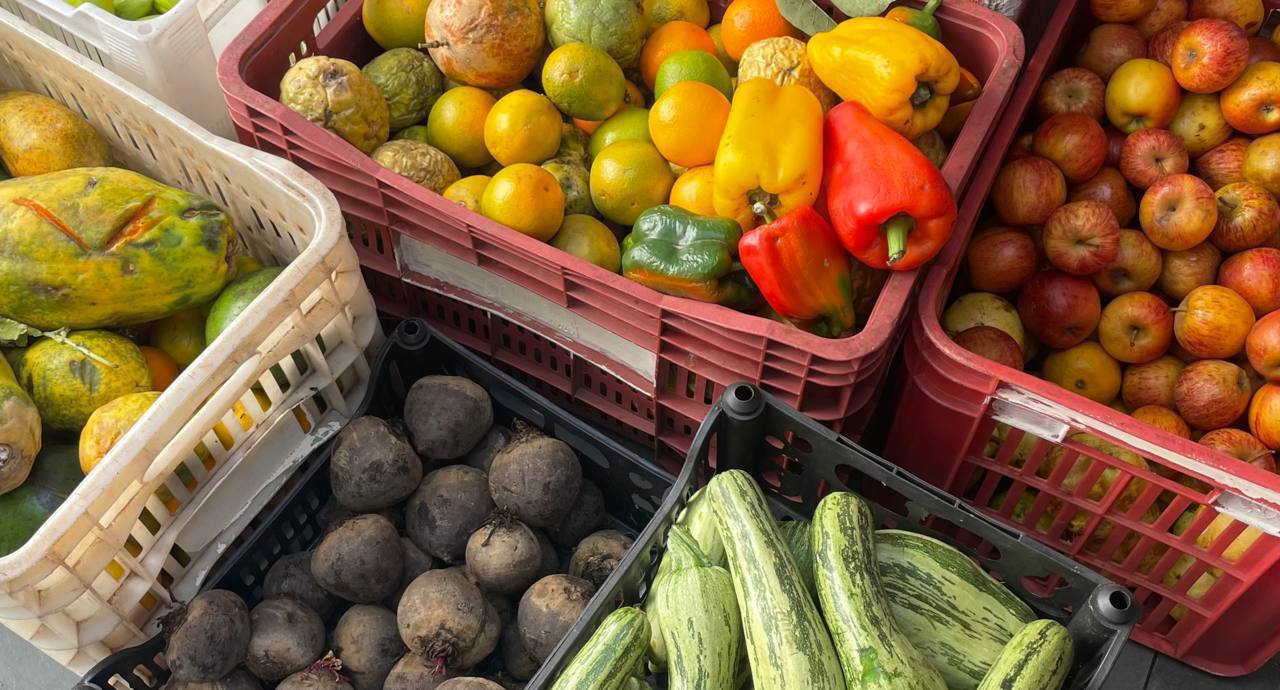
Established by the United Nations General Assembly in 2019, International Food Loss and Waste Awareness Day seeks to raise awareness of this problem and encourage action to reduce it.
The issue goes beyond the fate of food that is no longer consumed. With them, water, soil, energy and labor employed throughout the chain are also wasted. Reducing these losses is related to food security, the sustainability of food systems and tackling climate change.
According to the United Nations Environment Programme (UNEP), 1.05 billion tons of food were wasted worldwide in 2022, considering retail, food services and households. The volume is equivalent to almost a fifth of the food available to consumers.
Reducing waste means recognizing the value of food and seeking alternatives so that what can still be consumed or reused finds a suitable destination.
It is from this perspective that experiences developed by institutions affiliated with the Fraternity – Humanitarian Federation (FFHI)show concrete possibilities for action. At Casa Cristo do Bem, in Rio de Janeiro, at Núcleo-Luz Sagrado Céu, in Belo Horizonte, and at Núcleo-Luz de Figueira, in São Carlos, Immaculate House for the Relief of Suffering (ICAS), food that could no longer be useful is sent to people, institutions or for other cycles of use.
Quando o excedente encontra um destino
At Casa Cristo do Bem, the initiative begins with contact with people who come to the institution in search of food. After an interview and registration, they become part of a list to receive donations.
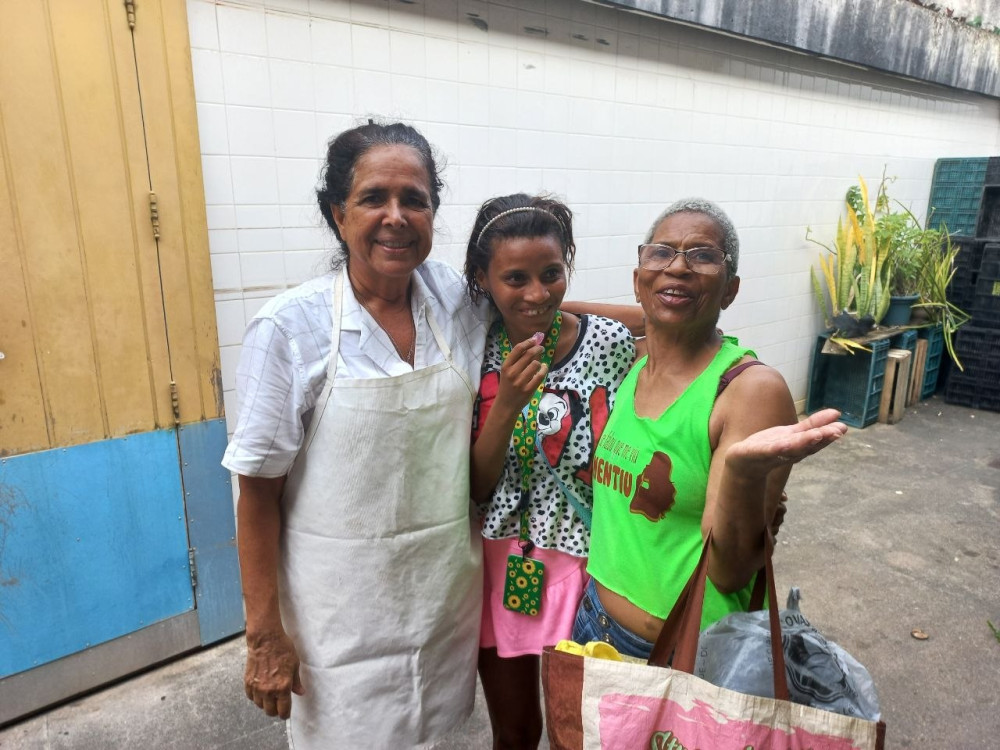
Collection takes place in previously scheduled supermarkets. Twice a week, food is collected from different establishments and forwarded by the Casa team itself. Part of them is allocated, every two weeks, to registered people. The others go directly from suppliers to institutions also registered by the House.
An important aspect of this work is that food does not remain in storage. According to Bia Vergara, responsible for Casa Cristo do Bem, distribution is done immediately after collections.
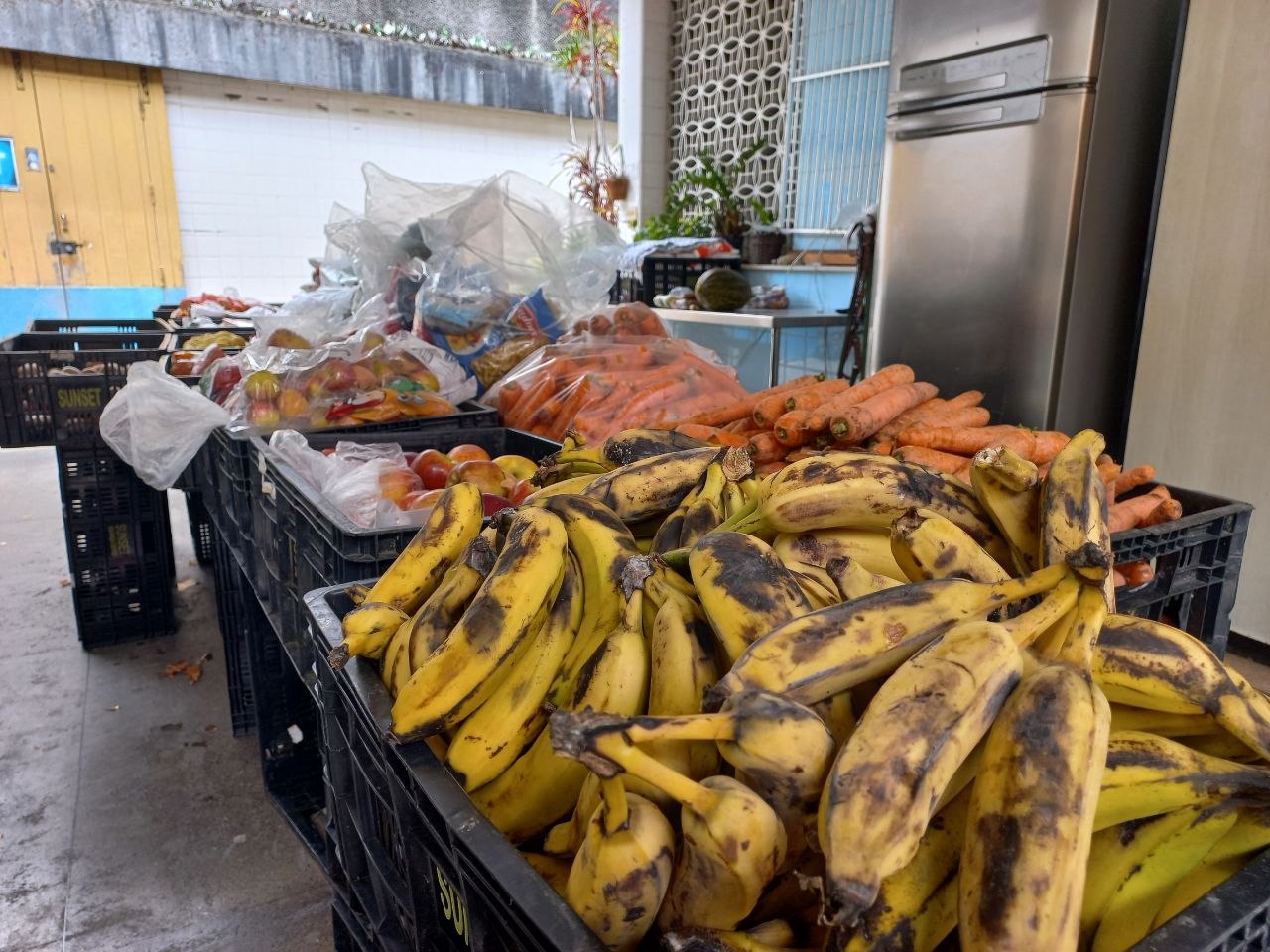
Experience also shows that combating waste depends on the willingness of different sectors to establish new forms of cooperation. The participation of supermarkets is essential for the operation to take place. These companies are already showing concern about non-waste and allowing still-useable food to be sent to other destinations.
For Bia Vergara, waste also reveals a difficulty in communication and connection between those who have surpluses and those who need them. The House’s actions seek precisely to create this connection.
“We do our part”, he summarizes.
A link between surplus and need
At Núcleo-Luz Sagrado Céu, in Belo Horizonte, the experience began several years ago, when employees received food donations and prepared soup for distribution to homeless people. Over time, the initiative began to prioritize the distribution of natural foods.
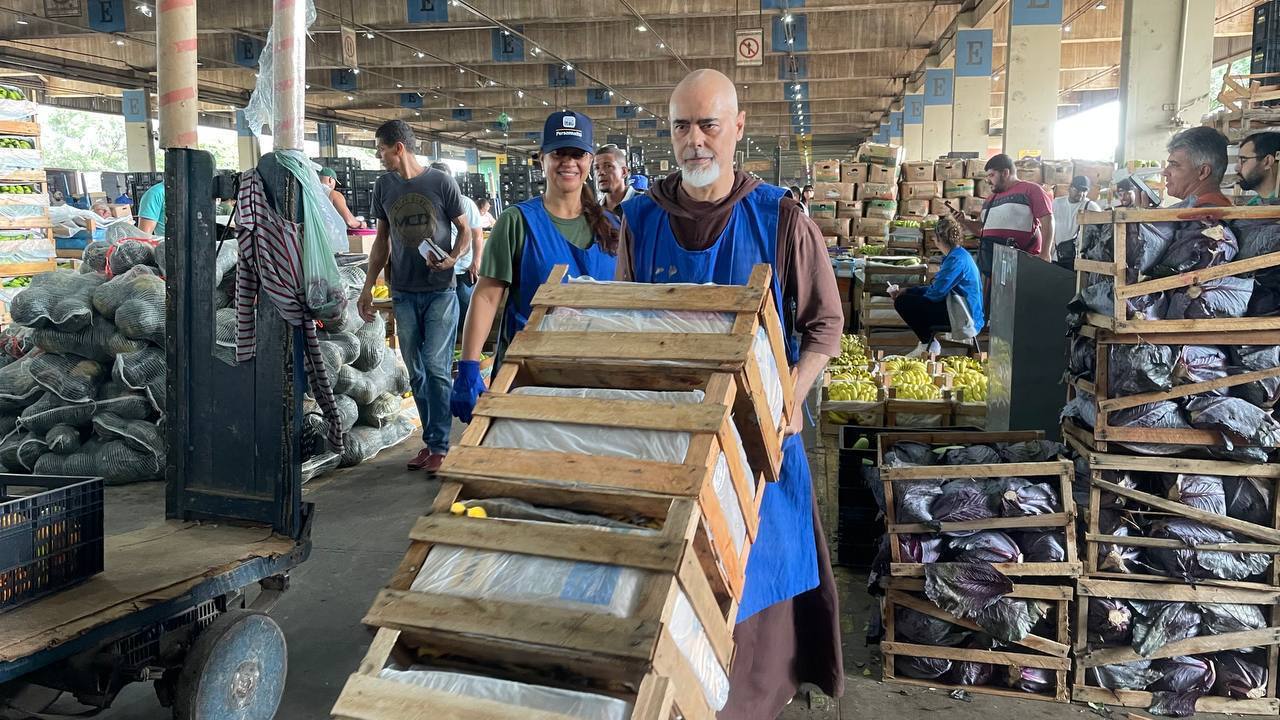
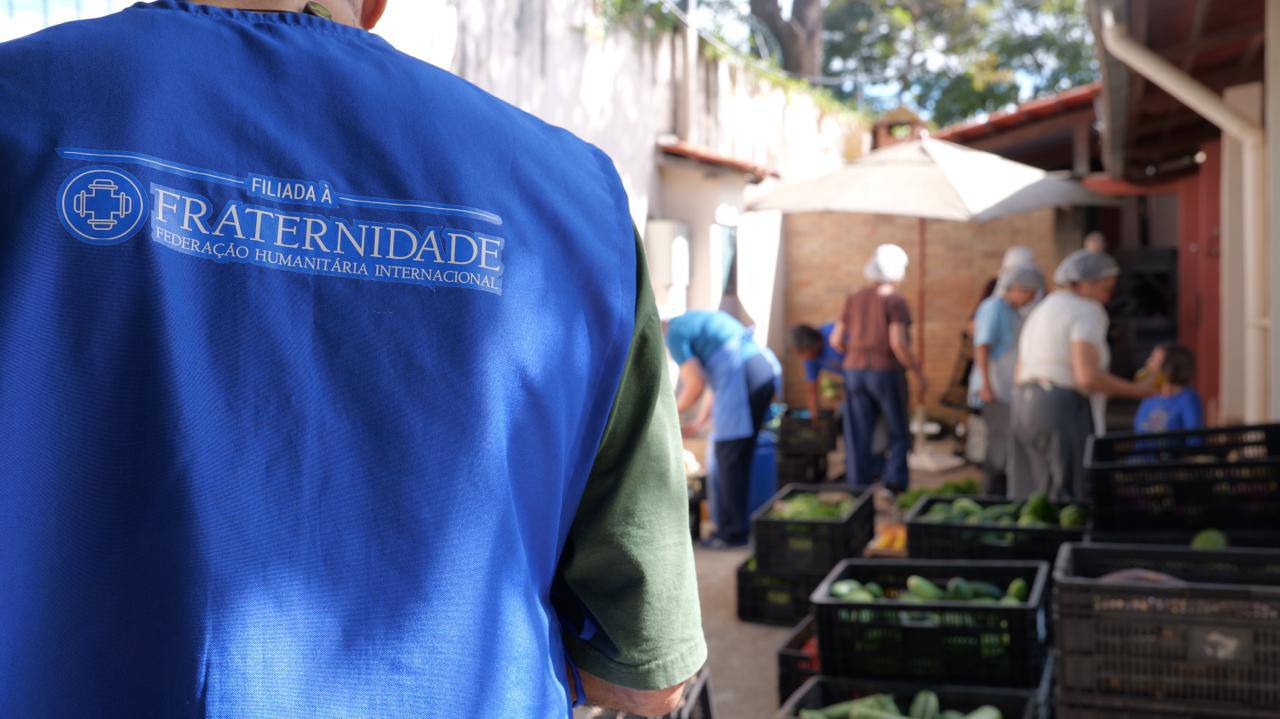
Currently, fruits, vegetables and greens are collected at CEASA, with independent producers and in a bag. Collections take place on Mondays and Fridays, using the Association’s own vehicles and private cars belonging to Núcleo-Luz employees.
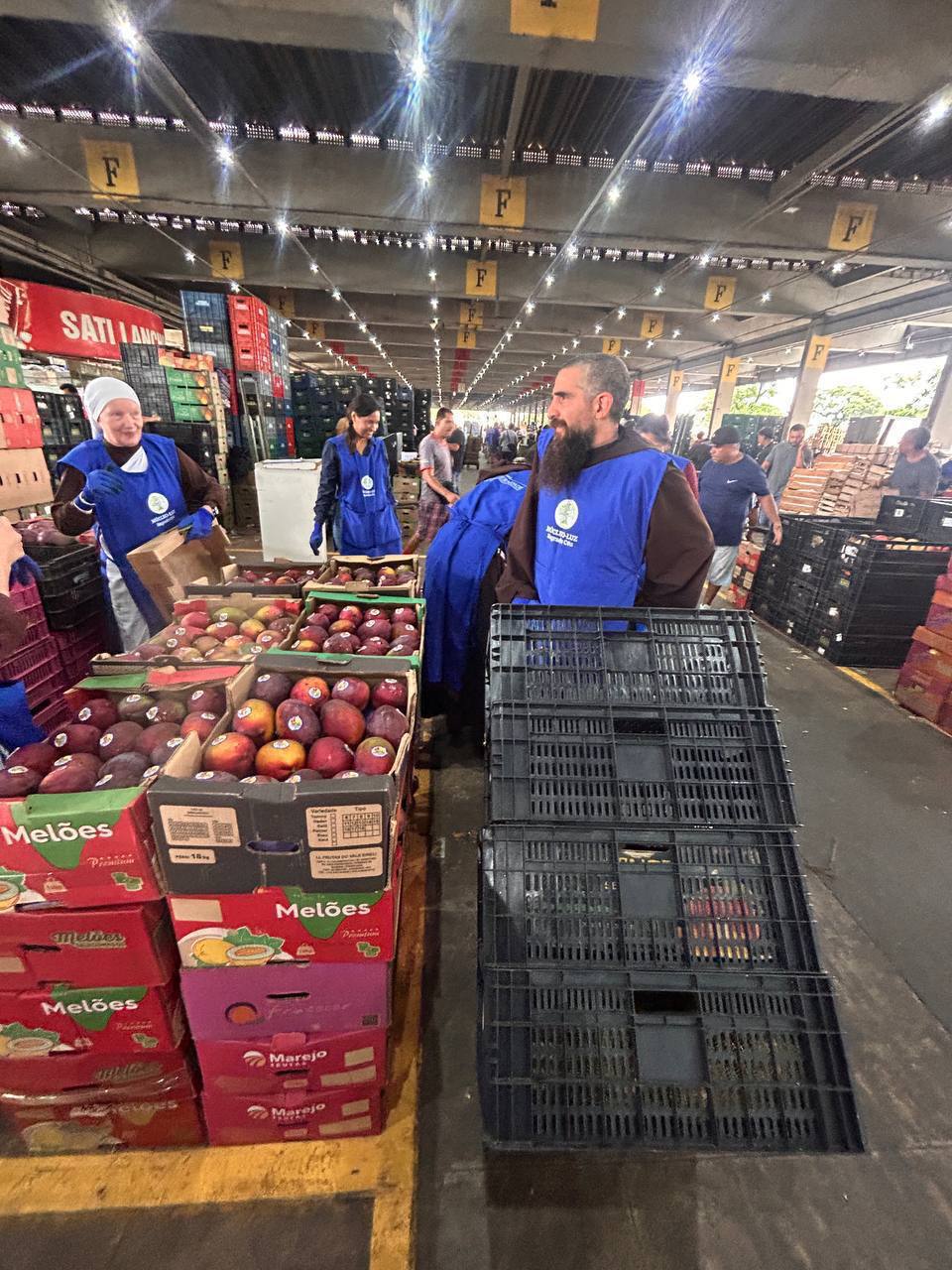
After arriving at Núcleo-Luz, the food is sorted and separated for registered institutions. Those that are already in a state of decomposition move on to the organic compound, preventing even these residues from being simply discarded.
For Mother Esmeralda de Maria, a member of the coordination team at Núcleo-Luz Sagrado Céu, there is a surplus of food both in commerce and among producers that, without proper disposal, can end up being discarded. The work of people willing to collect these products and send them to those in need creates a flow between two coexisting situations: the existence of available food and the difficulty in accessing food.
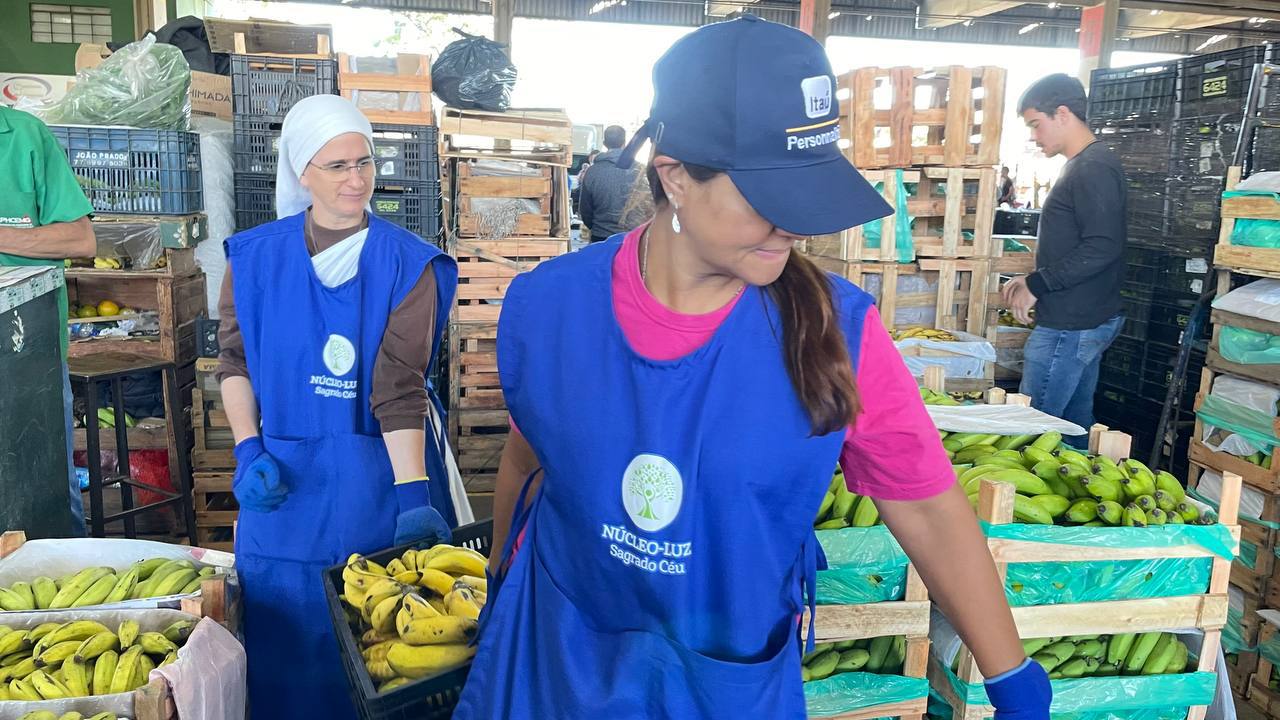
Experience shows that in some cases what is missing is not necessarily the food, but a connection capable of getting it to the proper destination.
“Where there is a break in flow”, explains Mother Esmeralda, “it is possible to act as a link between the two situations.”
The perspective broadens understanding of waste. Avoiding it can also mean creating collaborative networks capable of bringing producers, traders, institutions and people in need of food closer together.
Taking advantage is also transforming
In São Carlos, at Núcleo-Luz de Figueira – Immaculate House for the Relief of Suffering, the experience began simply. A Rede Luz employee asked a stallholder if he could donate any leftover fruits, vegetables, and greens from the fair. The proposal was accepted and, from this first donation, other vendors began to participate.
Today, approximately 17 vendors at the fair, which takes place on Tuesdays and Saturdays, donate food to Núcleo-Luz. On fair days, two volunteers do the collection. As a way of giving thanks, they also help stallholders dismantle stalls and carry their belongings and food boxes.
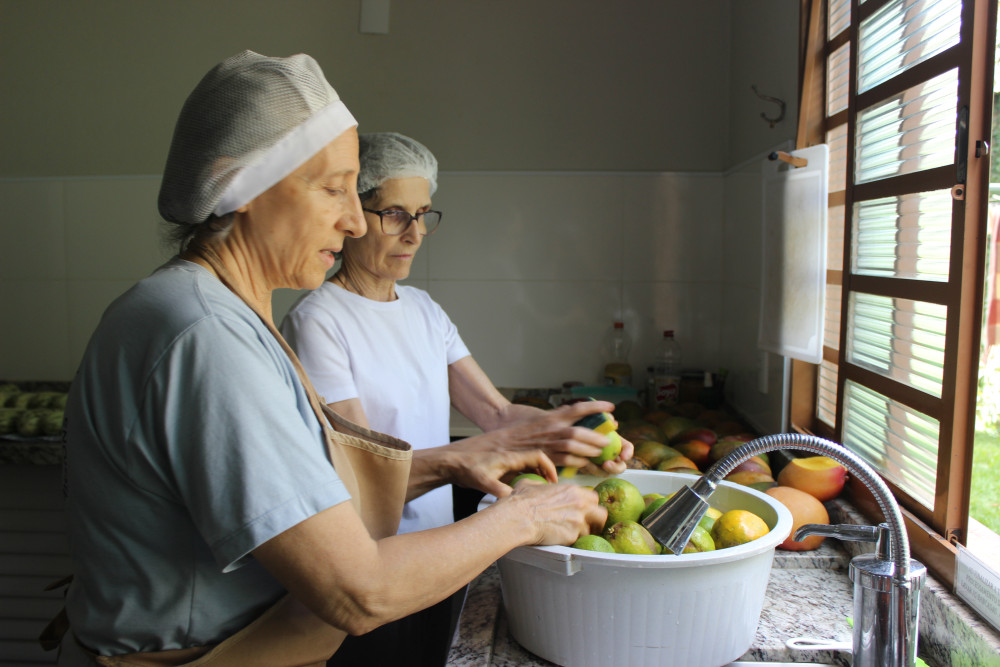
Upon arrival at the Light Core, the products are selected. Some are intended for consumption by the institution itself and some are donated to a group of volunteers who maintain an organized food delivery service to families in need. Fruits, vegetables and legumes complement donations of non-perishable food.
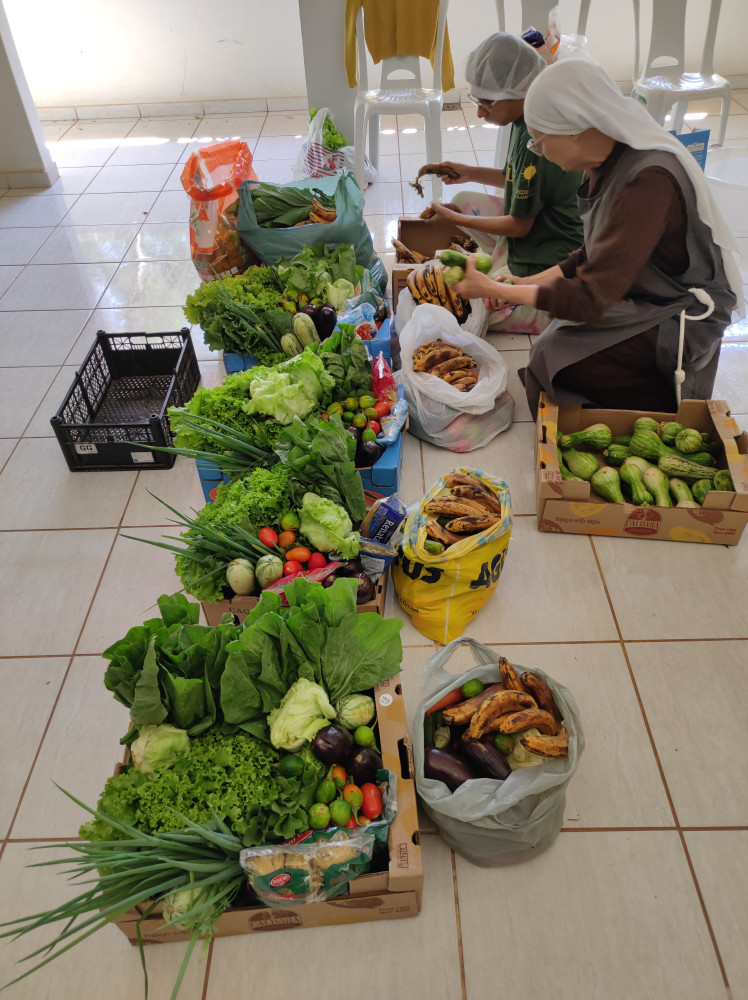
Experience also shows that harnessing can go beyond immediate distribution. Foods considered by market vendors to be unsuitable for sale due to their appearance, but still suitable for use, may receive new destinations.
Sanitization and dehydration, bleaching and freezing, and the production of jams, preserves, preserves, sweets, and porridges are among the possibilities found by the team. Waste that cannot be used for food can also be turned into organic compost to enrich the land.
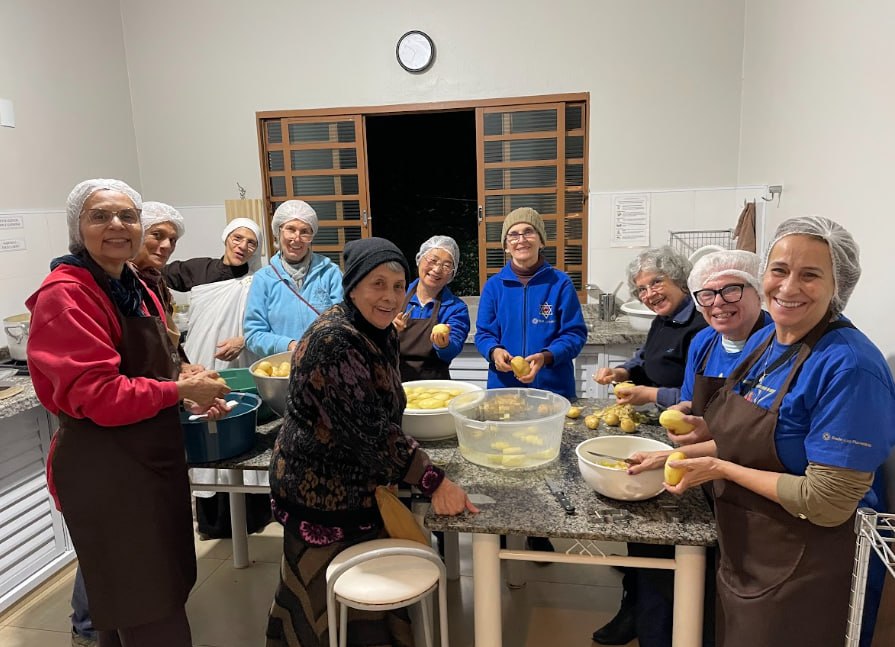
“Creativity, in this case, becomes a tool for reducing waste”, points out Mother Maria del Verdún, who is following this initiative at Núcleo-Luz.
An environmental, social and collective issue
Food waste also needs to be understood within a broader chain. Before reaching the table, each food item went through stages of production, harvesting, transportation, storage and distribution. In each of them, resources were mobilized.
Therefore, reducing losses and waste is also a way to better utilize water, soil, energy, labor, and other resources used in food systems. The UN links reducing losses and waste to food security, sustainability, and addressing climate change.
The target is present in the Sustainable Development Goals, especially SDG 12, which deals with responsible consumption and production. Target 12.3 sets out a commitment to halve per capita food waste in retail and consumption and decrease losses along production and supply chains by 2030.
The experiences of the members of the Fraternity-Humanitarian Federation (FFHI) show that this transformation does not depend solely on large structures. It can also start at a market, a supermarket, a supply center, or a person’s decision to ask if what’s left can be given to someone.
The meaning of a date
Creating an international date does not in itself solve the problem of waste. Its importance lies in making the issue more visible and encouraging governments, companies, organizations and individuals to recognize their responsibility in the food chain.
This was the purpose of the UN General Assembly in establishing September 29: to raise awareness and promote action to reduce food loss and waste worldwide.
The three experiences presented show different points of this network. At Casa Cristo do Bem, supermarkets participate in a collection and distribution structure. At Núcleo-Luz Sagrado Céu, surpluses from CEASA, producers and a bag are sent to institutions. At Núcleo-Luz de São Carlos, market vendors and volunteers establish a partnership that allows them to use food for consumption, processing and composting.
These are distinct initiatives, but they are based on a common principle: before being discarded, a food can have another destination.
Rethinking waste means looking at the flows, habits, and relationships that determine the fate of food. It is to seek new ways for what can still be consumed or transformed and, when this is not possible, return its waste to nature.
In a society where surpluses and people with difficulty accessing adequate food coexist, reducing waste also means creating connections. September 29 reinforces the importance of expanding these connections and transforming awareness into concrete actions.