Food, often treated as an automatic aspect of the routine, has a relevant role within the teaching proposal of the Tibetan Park School, affiliated with the
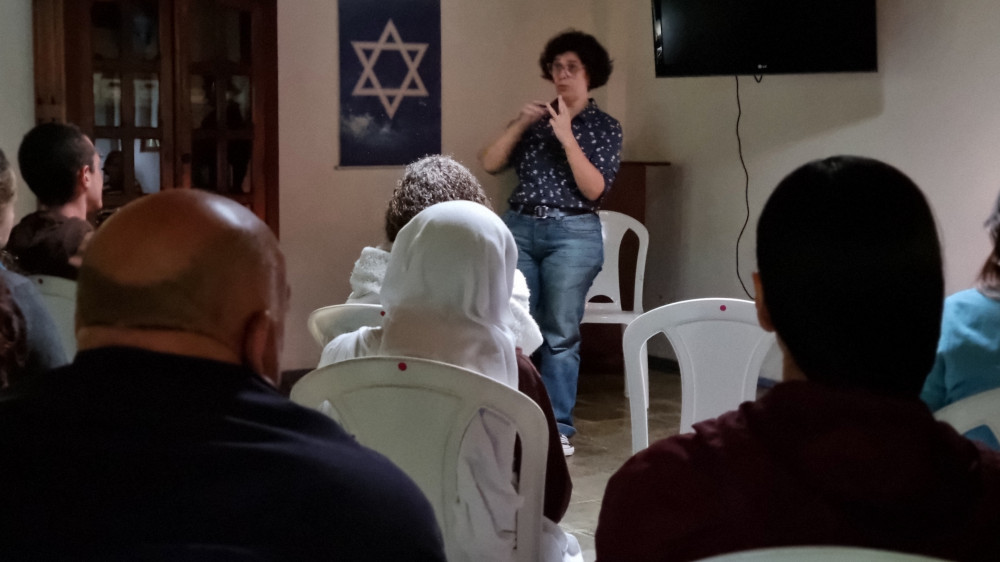
Fraternity – International Humanitarian Federation (FIHF). To go further than just nurturing the body, food is understood to be a formative element, which involves culture, affection, choices and awareness. Within this context, carrying out a talk with the food systems manager specializing in education, Renata Felipe, brought together parents and teachers in a space for going deeper into daily feeding practices, looking to generate more thought already present in the school’s dynamics.
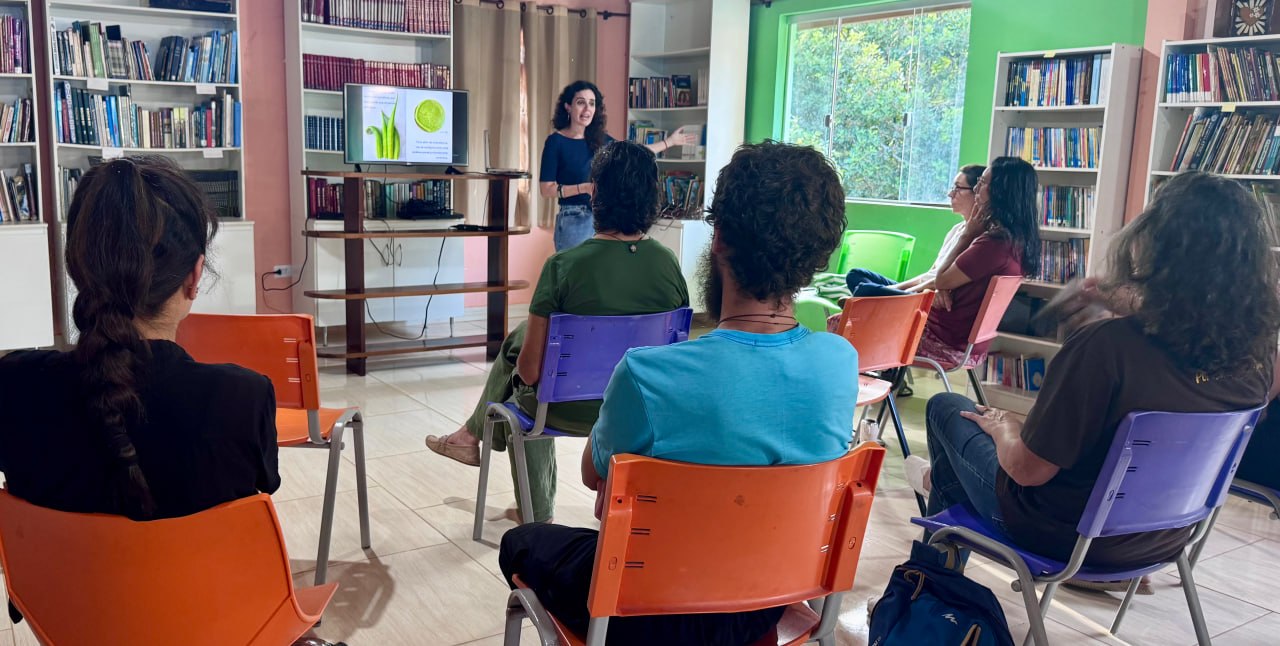
The institution already holds healthy and conscious eating as a principle, based on vegetarianism and aligned with an integral vision of human development. Meanwhile, as the general manager, Clarissa, highlights, the meeting brought a new way of looking at aspects that many times are not perceived in daily activities, such as consuming manufactured and ultra-processed foods. The talk does not have the intention of breaking away from what has already been built, but rather to add layers of perception and provide support for more thoughtful choices, especially within the family context.
This broadened perspective proved particularly relevant because, although the school upholds clear principles, the experience of eating largely takes place within homes. It is in this space that habits are consolidated, preferences are formed, and challenges concretely take shape. For Daniela Favilla, a teacher at the school and a parent, the talk highlighted precisely this dimension: “We have the agenda of conscious eating, but each family experiences it in their own way. And we can always improve, both in terms of nutrition and the unity among families in this awareness.”
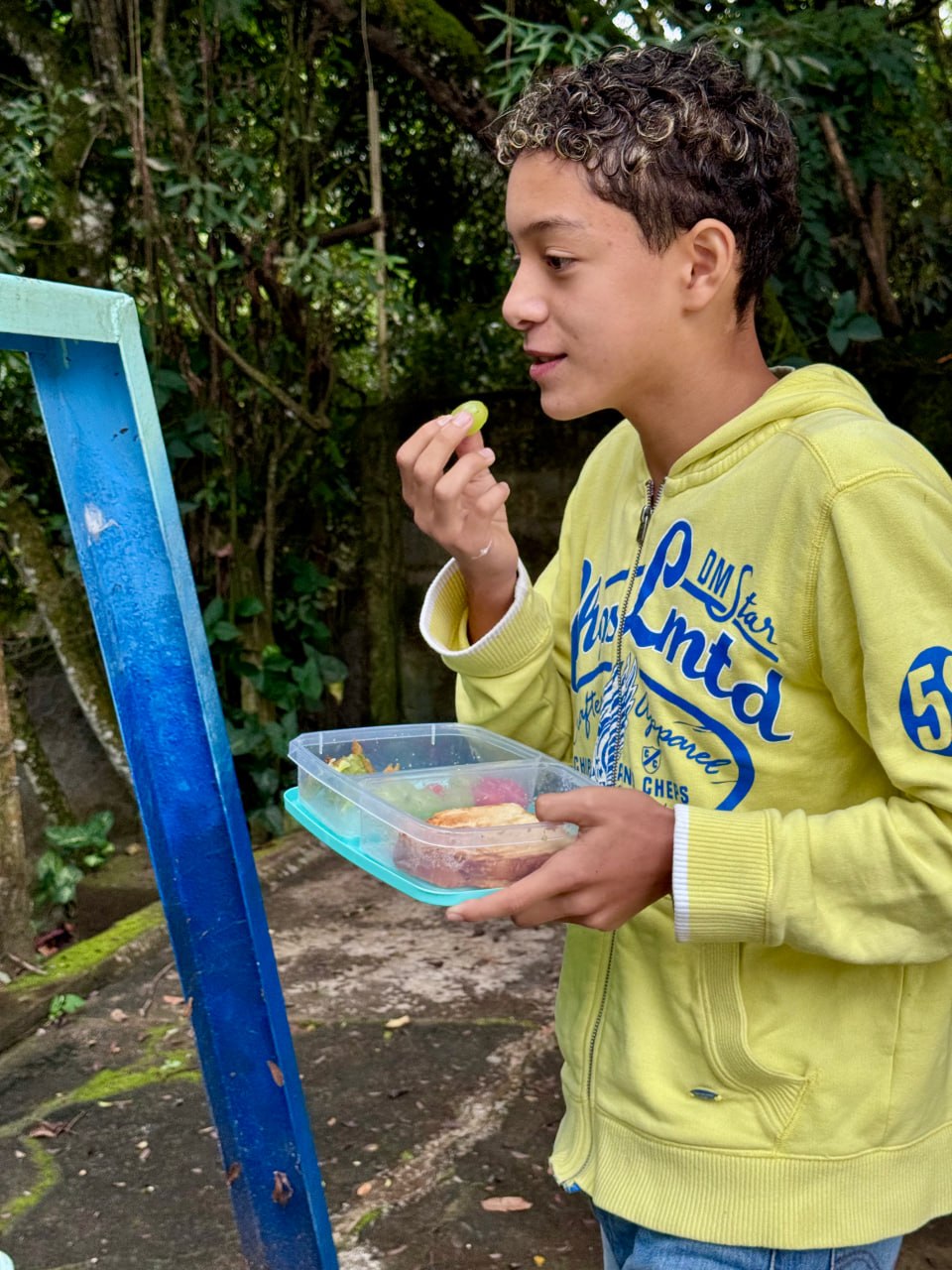
By targeting the meeting at parents and educators, the proposal began with the understanding that adults are the ones who transmit impulses related to food to children. In this sense, the lecture was structured not only as an informative moment, but as a space for exchange and group construction, in which experiences, doubts, and strategies could be shared.
Among the most striking points of the meeting were the practical guidelines for introducing new foods into children’s routines. Instead of prohibitions or impositions, the approach presented sought more subtle and effective ways, respecting the time and process of each child. The central idea is to shift the interest away from processed foods and gradually awaken a taste for more natural options.
A concrete example cited by Renata Felipe was the replacement of instant noodles with healthier alternatives, such as angel hair pasta. The proposal is not limited to changing the food itself, but considers the elements that make the product attractive to children: the speed of preparation, the texture, and the flavor. By understanding these factors, it becomes possible to offer options that meet these preferences without sacrificing nutritional quality.
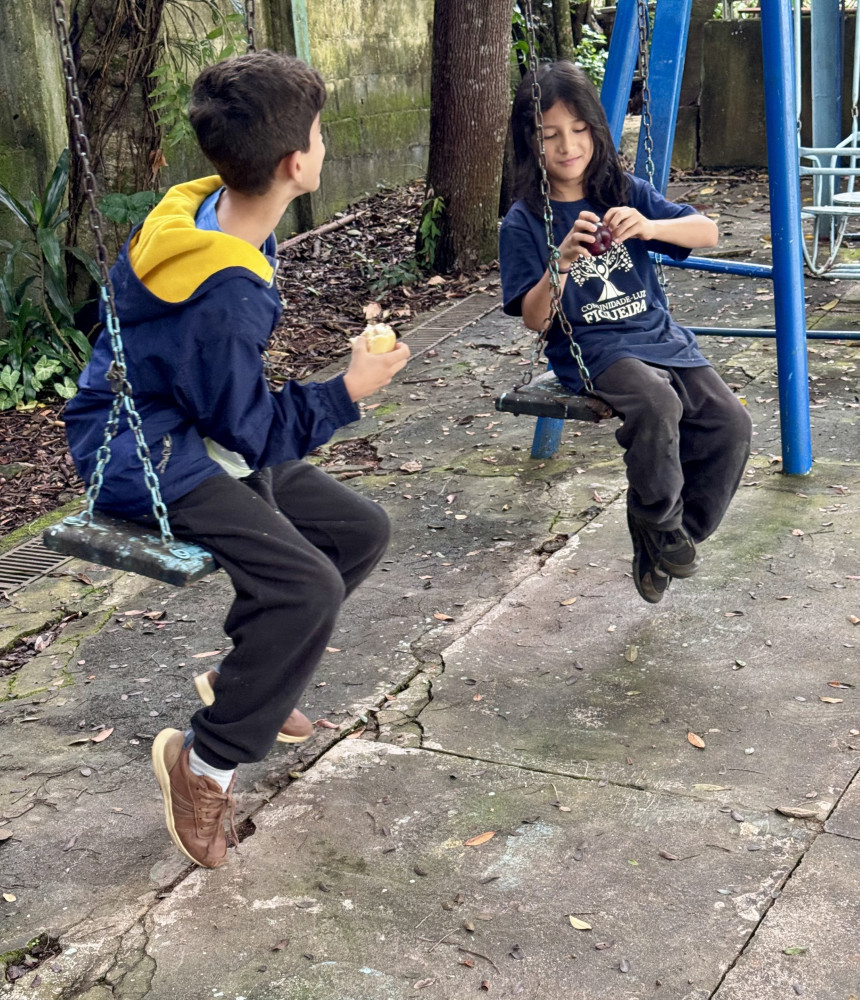
According to Daniela, this approach has shown positive results, especially when experienced as a group. “We are noticing that, in a group, children offer less resistance to dietary changes than when they are alone,” she reports. The exchange of experiences between families and between the children themselves strengthens this process and contributes to the creation of an environment of validation and mutual encouragement.
This collective dimension reveals itself as one of the most powerful aspects of the proposal. By sharing practices and challenges, families stop treading the path of conscious eating alone and begin to build new references together. The school space, in this sense, expands its function, also becoming a place of dialogue and articulation between different life experiences.
Another relevant point raised by the talk was the reflection on the everyday nature of eating. Eating is a daily act, repeated many times throughout life, but not always done consciously. Many choices are guided by inherited habits, practicality, or lack of information. By bringing the topic to the center of the conversation, the meeting helped to make visible what often remains invisible.
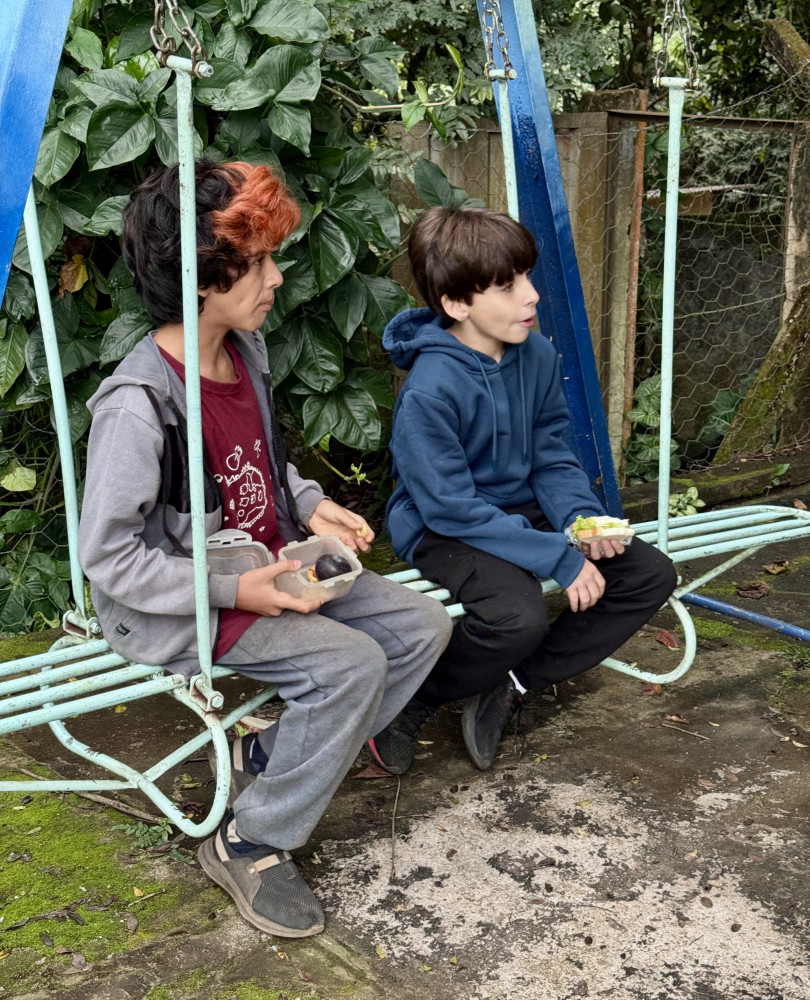
For Daniela, this was one of the main lessons learned: “Food is something we experience every day, but we speak very little about it. When we open this space for dialogue, we can review practices, exchange experiences, and build new paths.” The possibility of addressing the topic openly and collectively also contributes to the creation of new paradigms, more aligned with a holistic view of health.
The talk also highlighted the importance of sensory strategies in introducing new foods, such as the use of colors, textures, and shapes that spark children’s interest. These approaches respect the emotional connection that young children build with food and prevent mealtimes from becoming a battleground.
In this context, according to the speaker, the role of adults shifts: from agents of control to mediators of experiences. Instead of forcing or prohibiting, the proposal is to guide, present, and create conditions for the child to gradually develop autonomy in their choices.
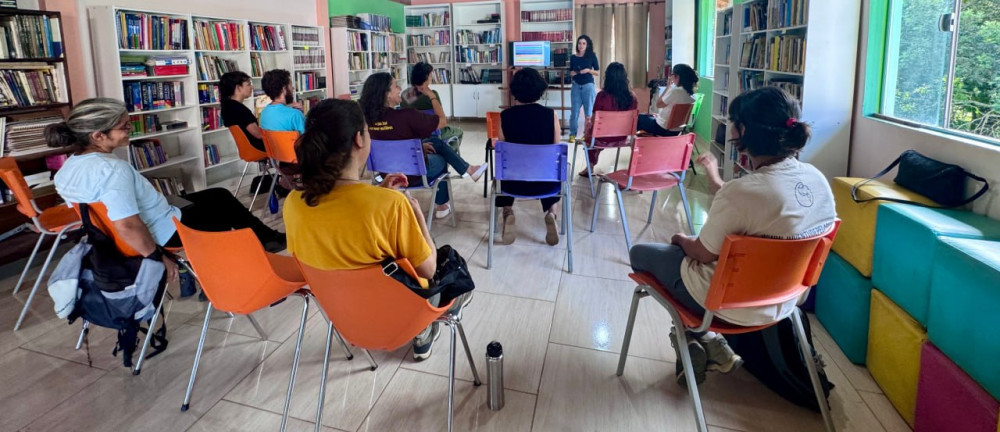
By integrating technical knowledge, practical experience, and sensitive listening, the talk led by Renata Felipe reinforces the importance of initiatives that connect school and family around essential themes for the children’s development. It is important to transmit information, but also to cultivate an environment in which care for nutrition is built in a conscious, shared, and continuous way.
Along this path, food ceases to be merely a biological necessity and comes to be understood as a field of learning, relationship, and transformation. A path that, when traveled together, expands possibilities and strengthens bonds—between schools, families, and, above all, with the elements that sustain life.